1 min read
'Tis the Season to be… Shoplifted? 5 Tips for Preventing Retail Theft
According to the National Association for Shoplifting Prevention, more than 10 million people have been caught shoplifting over the last five years....
1 min read
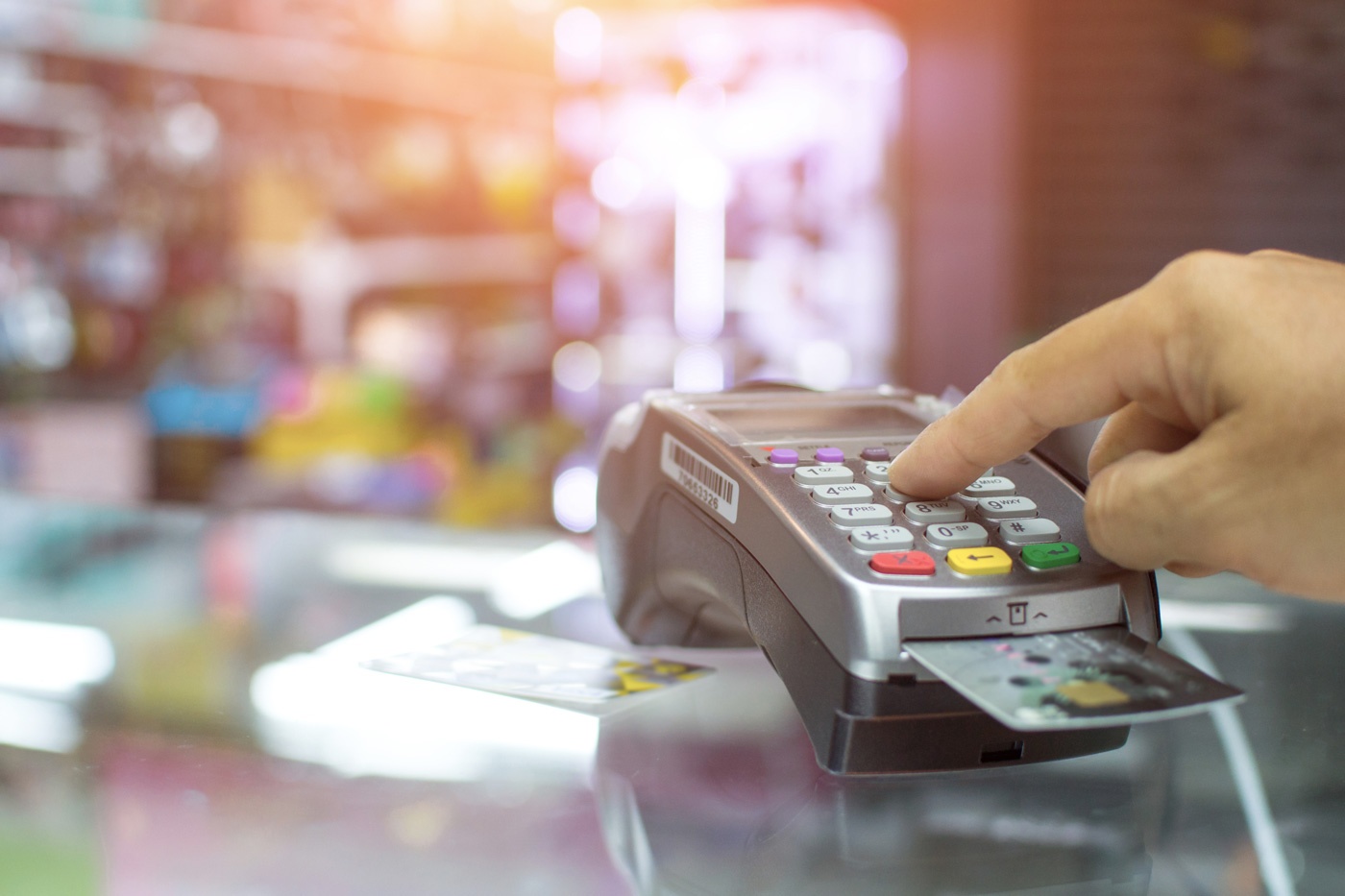
Earlier this year, enforcement of the latest version of Payment Card Industry Data Security Standard (PCI DSS 3.2) went into effect. The new payment security regulation, originally introduced in 2016, is aimed at better preventing, detecting and responding to cyberattacks that can lead to payment data breaches.
As a retailer, these are regulations you’re already aware of—and have been actively complying with—for some time now. But did you know that more changes are coming?
For example, as of July 2018, use of Secure Sockets Layer (SSL) and early Transport Layer Security (TLS) cryptographic protocols is no longer sufficient for meeting the following PCI DSS requirements:
Besides keeping up with changes that affect you as a merchant, there are also regulations to which your payment processing vendor must adhere. Per PCI DSS 3.2, service providers are required to comply with the following:
The payments industry is continually evolving. Over the past five years—in addition to the changes to PCI security standards mentioned above—we’ve seen the rise of EMV chip technology and new form factors, such as mobile pay. That’s a lot to keep up with when you have more important things to worry about, like taking care of your customers.
Are you looking for a secure payment processing provider that can help you maintain PCI compliance and prepare for new payment trends? TRUNO can help.


1 min read
According to the National Association for Shoplifting Prevention, more than 10 million people have been caught shoplifting over the last five years....

1 min read
Having spent my entire career in the grocery industry, I’ve had first-hand experience with the challenges our customers face. I spent more than a...

1 min read
Grocery shoppers want convenience, and they want choices. These facts aren’t new. But buyer expectations—and how they define both convenience and...